Beating the Odds: Psychological Glow, Dopamine Loops and Risk Thrill.
The Psychological Joy of Beating the Odds of Gaming. It is a certain type of excitement that flashes through a human being’s mind when we beat the odds. It is the little mental buzz one gets when breaking the rules; it may be getting a parking spot when it is most unlikely, anticipating a market…
The Psychological Joy of Beating the Odds of Gaming.
It is a certain type of excitement that flashes through a human being’s mind when we beat the odds. It is the little mental buzz one gets when breaking the rules; it may be getting a parking spot when it is most unlikely, anticipating a market trend, or getting an unexpected victory in the digital world. This is something that can be immediately identified by those who frequent high-engagement platforms such as Spinando Germany or Spinando Canada. Although the feeling might seem enigmatic, the mechanics behind it are, in fact, fairly well charted by psychology and neuroscience.
The Appeal of a Surprising Victory.
Uncertainty has long been a preoccupation of human beings. Not only are our brains programmed to receive rewards, but surprising rewards. Foreseeable consequences carried us. Variable results, however, are more exciting, suspenseful, and addictive, with that immediate bit of satisfaction. That is why variable rewards, those moments when something may happen, drive us into increased attention.
When one succeeds despite unfavorable odds, the brain perceives it as a personal success. Although it may appear that the result was achieved so randomly, the emotional system declares, “I did something special.” That glow is not about the victory but a psychological story: you outwitted the lawlessness. Or at least, it feels that way.
What the Brain Loves Risk: A Psychological Perspective.
Reward + Dopamine
Dopamine bursts the moment a successful underdog hits. This is the essence of the dopamine loop: anticipation, uncertainty, reward, and reinforcement—the greater the difference between expectation and outcome, the greater the emotional impact.
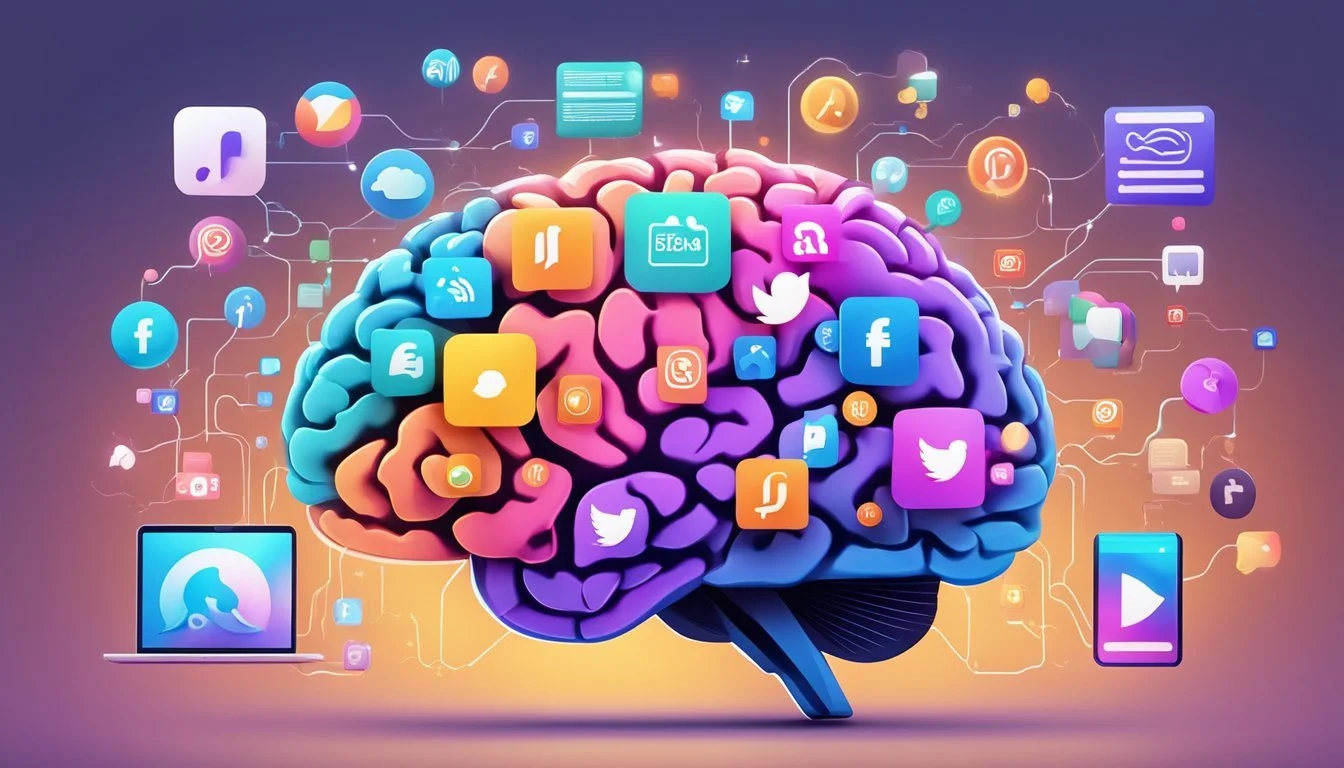
It resembles the feeling of micro-rush players when interacting with high-speed digital interfaces – imagine rapid spins of using Spinando Germany or spinning 2 – 4 different results on Spinando Canada. This dynamic can be seen everywhere, even outside gambling: in stock market applications, in social media notifications, and even on fitness trackers, which notify you with badges.
The Thrill of Suspense
Risk introduces tension. And stress, to be specific, makes pleasure. This is the so-called “arousal effect” in psychology. Your brain perks up, and you become aware of your senses, and your mind predicts whether you are going to receive the reward or not. It is the uncertainty of it.
Cognitive Biases at Play
Naturally, our brains are not so objective observers. The delusion of control leads us to think that our decisions play a role in random events. The confirmation bias causes us to recall wins better than losses. Decision fatigue makes us particularly susceptible to impulsive decision-making when we are exhausted.
All these behavioral patterns contribute to understanding why beating the odds is so pleasing and personally fulfilling.
A Neuroscience Adventure: How do we make the Glow?
Reward Pathways Concurrent Firing.
The main actors:
- Ventral striatum- the reward anticipation center.
- Nucleus accumbens – that felt good, do it again region.
- Prefrontal cortex- the so-called voice of reason, which is sometimes voted out.
These areas shine like a fireworks display of celebration when an improbable triumph comes.
The Neurochemical Cocktail
An amalgamation of dopamine, serotonin, and adrenaline produces an emotional high. Dopamine says, “More, please.” Serotonin provides the feeling of pride. Adrenaline makes it more physical- physically, there is more buzz to the heartbeat, alertness, and a micro-rush.
This cocktail is the reason the glow appears, both psychological and physical.
Emotional Feedback Loops
Patterns, even supposed patterns, are dear to your brain. It develops emotional memory of an event once it is rewarded with high value. You start pursuing the emotion rather than the result. This is where most digital engagement loops originated, whether it is achievement badges, streak rewards, or even near-miss animations.
Where the Glow Lives Today: Digital Environments.
The Architecture of Contemporary Online Thrills.
Online media has mastered the predictive practice. They use high-speed feedback, micro-rewards, and random scheduling to generate excitement. We get the same emotional burst we used to get in the old days when we survived by a miraculously small edge, when we get a loot box that comes out of the blue, or when we achieve a streak of luck, or when we get a bonus out of the blue.
Examples of digital ecosystems leveraging these scientifically understood behavioral stimuli include variable rewards, instantaneous feedback, and fluid interaction loops, and include platforms such as Spinando Germany and Spinando Canada.
The advertisements were unnecessary and could have been omitted; these platforms use thoroughly researched psychological mechanisms to keep users hooked.
Gamification Everywhere
- The same formulas are used with the non-gaming apps:
- Fitness applications bring unexpected success.
- Learning apps also have streaks and badges.
- Social media communicates unpredictable information.
- It is all powered by the same circuitry that lights when we are lucky.
Social Approval: The Bonus Glow.
There is the added reward of sharing a win, even a small one. Social brain takes over. Approval, recognition, and comparison boost the experience. But then you are not only winning the lottery, but you are winning it in front of an audience.
Interviews with the Experts: What the Data Reveals.
According to behavioral economists, human beings always rate rare positive events too highly. Long shots, improbable bonuses, dramatic payouts, even where rational expected value is low, attract us. Why? Since the psychological radiance has emotional resonance much greater than the math.
Also, digital behavior experts point out that current platforms are sensitive indicators of these emotional moments: increased engagement, longer session duration, recurring behavior, lower drop-off rates, and robust retention curves. The glowing is not only a feeling, but also a measurable trend in user activity.
Neuroscientists, in the meantime, indicate that these reactions are evolutionary remnants. Curiosity, exploration, and survival were the activities of our forebears, who were rewarded at the correct time by risking. Nowadays, these instincts go off when we open an app, when we have a variable reward, or when we receive a lucky break.